
- January 2, 2026
- Posted by: admin
- Category: Uncategorized
Common Embroidery Tension Problems and How Proper Digitizing Fixes Them
Introduction
Embroidery tension problems are one of the most common challenges faced by embroidery persons, machine operators, and hobbyists. Poor and bad stitch quality, thread breaks, looping, puckering, and inconsistent embroidery results are often blamed on the machine — but in reality, digitizing plays a major role in controlling embroidery tension.
Many tension issues cannot be fixed simply by adjusting the machine settings. When a design is poorly digitized, no amount of tension adjustment can fully solve the problem. In this guide, we will explain the most common embroidery tension problems and how professional digitizing helps eliminate them at the source.
👉 Embroidery Digitizing Services
What Is Embroidery Tension?
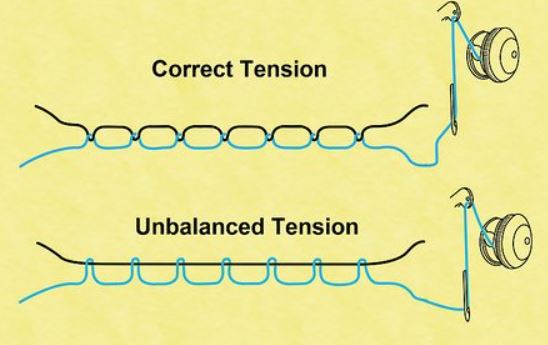
Embroidery tension refers to the balance between:
-
Upper thread tension
-
Bobbin thread tension
When both tensions are correctly balanced, stitches appear clean, smooth, and consistent on both sides of the fabric. When tension is incorrect, visible problems start appearing on the fabric surface and backing.
However, tension balance alone is not enough. Digitizing parameters such as stitch direction, density, pull compensation, and sequencing directly affect tension behavior during embroidery.
Why Digitizing Matters More Than You Think
Many embroiderers adjust tension repeatedly but still face issues. The reason is simple:
❝A poorly digitized design forces the machine to fight against physics.❞
Bad digitizing causes:
-
Excessive stitch density
-
Poor stitch angles
-
Incorrect underlay selection
-
Sudden stitch direction changes
All of these create unnecessary tension stress on threads and fabric. Good quality sewout results
Common Embroidery Tension Problems (And Their Digitizing Solutions)
1. Thread Breaks During Embroidery
Symptoms:
-
Frequent thread snapping
-
Machine stopping repeatedly
-
Uneven stitch formation
Causes:
-
Excessive stitch density
-
Sharp stitch angles
-
Very small stitch lengths
-
Poor sequencing
How Proper Digitizing Fixes It:
Professional digitizing ensures:
-
Balanced stitch density according to fabric type
-
Minimum safe stitch length is maintained
-
Stitch angles are smooth, not aggressive
-
Logical stitch sequencing reduces tension spikes
By controlling stitch flow, the thread moves smoothly without excessive stress.
2. Looping on Top or Bottom of Fabric
Symptoms:
-
Loops visible on top surface
-
Loose thread on backing
-
Inconsistent stitch appearance
Causes:
-
Incorrect stitch path
-
Long jump stitches
-
Improper underlay structure
Digitizing Solution:
A properly digitized design includes:
-
Correct underlay type (edge run, zigzag, or tatami)
-
Clean stitch paths without unnecessary jumps
-
Controlled stitch overlaps
Digitizing stabilizes thread placement so tension remains consistent throughout the design. Digitizing Solution order now
3. Puckering and Fabric Distortion
Symptoms:
-
Fabric wrinkles after embroidery
-
Design pulls inward
-
Garment looks distorted
Causes:
-
High stitch density
-
Poor pull compensation
-
Wrong stitch direction for fabric type
Digitizing Fix:
Professional digitizing applies:
-
Proper pull compensation values
-
Fabric-appropriate stitch density
-
Balanced stitch directions
This allows the fabric to relax naturally after embroidery instead of being pulled tight. choosing the right embroidery hoop size
4. Bobbin Thread Showing on Top
Symptoms:
-
Bobbin thread visible on design surface
-
Color inconsistency
Causes:
-
Over-tight top tension
-
Incorrect stitch balance
-
Poor digitizing density control
Digitizing Role:
Correct digitizing:
-
Balances stitch formation
-
Avoids forcing top thread too tight
-
Maintains proper stitch coverage
This minimizes bobbin exposure without aggressive tension adjustments.
5. Inconsistent Stitch Coverage
Symptoms:
-
Gaps in fill areas
-
Uneven satin columns
-
Weak design appearance
Causes:
-
Incorrect stitch density
-
Wrong stitch angles
-
Poor underlay planning
Digitizing Solution:
A professional digitizer:
-
Adjusts stitch density for fabric and thread
-
Selects correct underlay types
-
Uses consistent stitch angles
This creates smooth, even coverage with minimal tension stress.
6. Bird Nesting on the Backing
Symptoms:
-
Thread bunching under fabric
-
Tangled stitches
-
Machine jams
Causes:
-
Poor start/stop points
-
Bad tie-in and tie-off settings
-
Improper sequencing
Digitizing Fix:
Professional digitizing ensures:
-
Clean tie-ins and tie-offs
-
Logical embroidery sequence
-
Controlled stitch flow
This prevents thread buildup and backing tangles.
How Fabric Type Affects Tension (And Digitizing Must Match)
Different fabrics react differently to tension:
| Fabric Type | Digitizing Requirement |
|---|---|
| Cotton | Medium density, balanced underlay |
| Polo / Knit | Light density, strong underlay |
| Caps | Short stitches, controlled angles |
| Jackets | Strong underlay, reduced density |
| Stretch Fabric | Extra pull compensation |
Proper digitizing adjusts settings according to fabric behavior — not just machine tension.
Machine Tension vs Digitizing: What Should You Fix First?
Rule of Thumb:
👉 If tension problems appear only on one design, the issue is digitizing.
👉 If tension problems appear on all designs, check machine tension.
Most embroidery tension complaints come from poorly digitized files, not machines.
Benefits of Proper Digitizing for Tension Control
-
Fewer thread breaks
-
Cleaner stitch appearance
-
Faster production speed
-
Reduced machine downtime
-
Better garment finish
-
Longer machine life
Professional digitizing reduces stress on both thread and machine.
When Should You Re-Digitize a Design?
You should consider re-digitizing if:
-
You constantly adjust tension for one design
-
The design puckers despite correct stabilizer
-
Thread breaks happen only on that file
-
Stitch quality varies on different fabrics
Re-digitizing often solves issues that machine adjustments cannot. Re-digitizing free trial
Final Thoughts
Embroidery tension problems are not always mechanical issues. In many cases, the real problem lies inside the digitized file itself. Proper digitizing controls stitch flow, density, angles, and sequencing — all of which directly affect tension behavior.
If you want consistent, professional embroidery results, investing in high-quality digitizing is just as important as maintaining your embroidery machine.